
Common Interview Questions and Answers in South Africa 2026
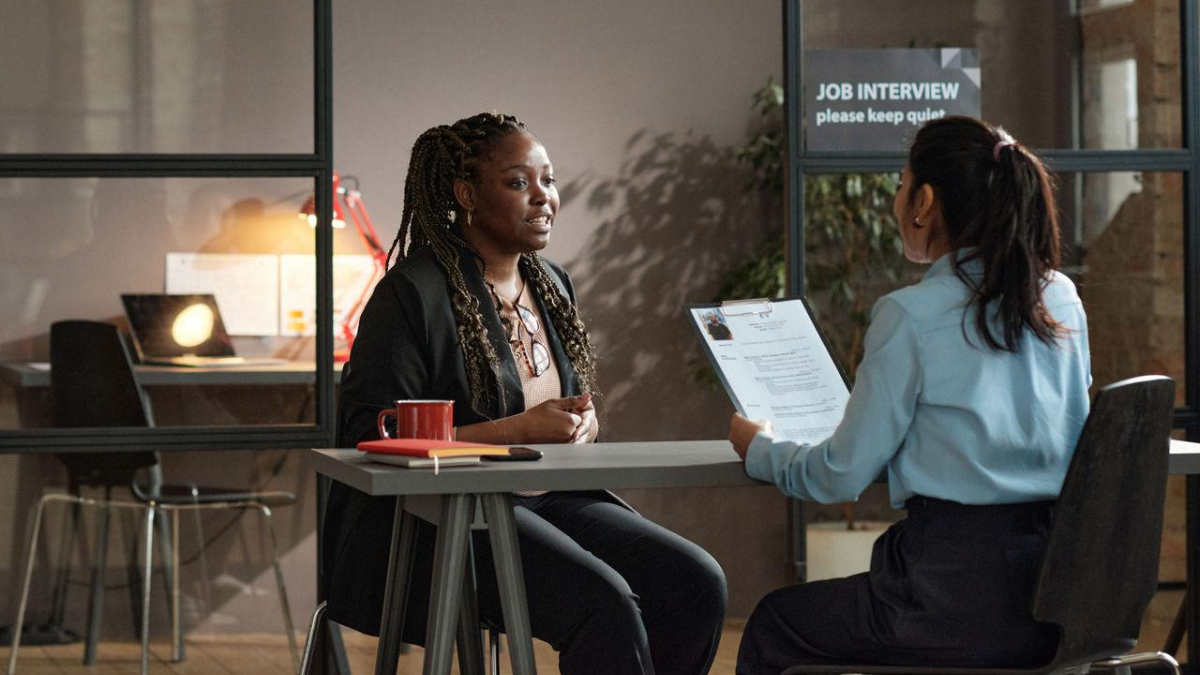
Common Interview Questions and Answers: How to Prepare for Your Next Job Interview
Landing an interview means you have already impressed an employer with your application. The next step is showing that you are the best person for the job. Many job seekers become nervous during interviews because they do not know what questions to expect or how to answer them confidently.
The good news is that most employers ask similar questions, whether you are applying for a retail, office, government, warehouse, hospitality, or customer service position. By preparing your answers in advance, you can improve your confidence and increase your chances of receiving a job offer.
This guide explains the most common interview questions asked by employers in South Africa, why they ask them, and examples of strong answers that you can adapt to your own experience.
Table of Contents
- Why Employers Ask Interview Questions
- How to Prepare Before an Interview
- Common Interview Questions and Sample Answers
- Interview Tips
- Common Mistakes to Avoid
- Frequently Asked Questions
- Final Thoughts
Why Employers Ask Interview Questions
An interview is not only about your qualifications. Employers also want to know whether you can communicate effectively, solve problems, work with other people, and fit into the company’s culture.
During an interview, employers usually assess:
- Your communication skills.
- Your attitude towards work.
- Your ability to work under pressure.
- Your willingness to learn.
- Your honesty and professionalism.
- Your problem-solving ability.
- Your teamwork skills.
Preparing your answers before the interview helps you speak more naturally and confidently.
also see How to apply for Shoprite jobs online in 2026 | Shoprite Application Guide
Sourcing Senior Analyst – Logistics Jobs at Castrol (bp) in Hungary 2026
Site Manager (Building) Jobs in Cape Town at RPO Recruitment 2026
Business Consultant Jobs at Bidvest Prestige 2026
Team Leader: Creditors Jobs at Motus Nissan ERM 2026
How to Prepare Before an Interview
Good preparation can make a big difference. Before attending any interview, make sure you:
- Research the company and understand what it does.
- Read the job description carefully.
- Review your CV so you can explain your experience confidently.
- Practise answering common interview questions aloud.
- Choose clean and professional clothing.
- Plan your journey so that you arrive at least 15 minutes early.
- Carry copies of your CV and supporting documents.
- Switch your phone to silent mode before entering the interview.
1. Tell Us About Yourself
This is one of the most common interview questions and is often used to start the conversation. Employers are looking for a short summary of your background, experience, and career goals.
Example Answer
“My name is Sarah, and I have three years of customer service experience in the retail industry.
Why This Answer Works
- It is professional.
- It focuses on work experience.
- It highlights positive qualities.
- It explains career goals without being too personal.
2. Why Do You Want to Work for Our Company?
Employers ask this question to see whether you have researched the company or if you applied randomly.
Example Answer
“I admire your company’s reputation for excellent customer service and employee development. I believe my communication skills, positive attitude, and willingness to learn would allow me to contribute to your team while growing professionally.”
Tips
Avoid saying:
- “I just need a job.”
- “The salary looks good.”
Instead, focus on how you can contribute to the organisation.
3. What Are Your Greatest Strengths?
Choose strengths that are relevant to the position you applied for.
Example Answer
“My greatest strengths are communication, teamwork, reliability, and problem-solving. I work well under pressure, enjoy learning new skills, and always try to provide excellent service to customers and colleagues.”
4. What Is Your Biggest Weakness?
This question is designed to measure your self-awareness. Choose a genuine weakness, but explain what you are doing to improve it.
Example Answer
“I sometimes spend too much time trying to make every detail perfect. Over time, I have learned how to prioritise important tasks and manage my time more effectively so that I can meet deadlines while maintaining quality.”
5. Why Should We Hire You?
This is your opportunity to explain why you are the best candidate for the role.
Example Answer
Quick Interview Success Tips
- Smile naturally and greet the interviewer politely.
- Maintain eye contact during the conversation.
- Listen carefully before answering.
- Keep your answers clear and relevant.
- Be honest about your skills and experience.
- Thank the interviewer for their time at the end of the interview.
Preparing these common interview questions before your interview can significantly improve your confidence and help you leave a positive impression on employers.
6. Tell Us About a Challenge You Faced at Work
Employers ask this question to understand how you handle difficult situations. They want to see whether you remain calm, think clearly, and find practical solutions.
Example Answer
“While working in retail, we experienced a busy holiday period and several colleagues were absent. I stayed organised, assisted customers efficiently, and worked closely with my team to ensure shelves remained stocked and customers received good service. Although it was a challenging day, we managed to meet customer expectations.”
Why This Answer Works
- It shows teamwork.
- It demonstrates problem-solving.
- It highlights a positive attitude under pressure.
7. Where Do You See Yourself in Five Years?
Employers want to know whether you are interested in growing with the company.
Example Answer
“In five years, I hope to have gained valuable experience, developed new skills, and taken on more responsibilities. I would like to become a trusted employee who contributes to the company’s success while continuing to learn and grow professionally.”
8. Can You Work Under Pressure?
Many jobs require employees to remain productive during busy periods.
Example Answer
“Yes. I stay calm, organise my tasks according to priority, and focus on completing one task at a time. Working under pressure has helped me improve my time management and problem-solving skills.”
9. Are You Comfortable Working in a Team?
Most employers value employees who work well with others.
Example Answer
“Yes. I enjoy working with different people because teamwork allows us to share ideas, solve problems together, and achieve common goals. I also respect different opinions and communicate openly with my colleagues.”
10. Why Did You Leave Your Previous Job?
Always remain positive when answering this question.
Good Example
“I wanted an opportunity that offers more career growth and allows me to develop additional skills. I appreciate everything I learned in my previous role and am now ready for a new challenge.”
Avoid Saying
- My manager was terrible.
- I hated my job.
- My colleagues were difficult.
Negative comments about previous employers may create a poor impression.
11. What Salary Do You Expect?
This question can be uncomfortable, but honesty and flexibility are important.
Example Answer
“I understand that salaries vary depending on the responsibilities of the position and the company’s policies. I am open to discussing a fair salary that reflects the role and my experience.”
12. What Motivates You?
Employers want to understand what encourages you to perform well.
Example Answer
“I am motivated by learning new skills, achieving goals, helping customers, and contributing to a successful team. I enjoy seeing positive results from my hard work.”
13. How Do You Handle Difficult Customers?
This question is common for retail, hospitality, and customer service positions.
Example Answer
“I stay calm, listen carefully to the customer’s concerns, and show empathy. I focus on finding a solution while remaining respectful and professional. Even when a customer is upset, I believe good communication can often resolve the situation.”
14. What Makes You Different From Other Candidates?
This is your opportunity to highlight your strengths.
Example Answer
“I am dependable, quick to learn, and committed to doing my best every day. I enjoy working with people, adapt easily to new environments, and always look for ways to improve my performance.”
Interview Tips That Can Increase Your Chances of Success
Even excellent answers can lose their impact if your overall presentation is poor. Keep these tips in mind:
- Arrive at least 15 minutes before your interview.
- Dress neatly and appropriately for the position.
- Bring copies of your CV and qualifications.
- Speak clearly and confidently.
- Maintain good posture.
- Smile naturally.
- Avoid interrupting the interviewer.
- Turn off or silence your mobile phone.
- Thank the interviewer before leaving.
Common Interview Mistakes to Avoid
Many qualified candidates lose opportunities because of avoidable mistakes.
Avoid these common errors:
- Arriving late.
- Wearing inappropriate clothing.
- Speaking negatively about previous employers.
- Giving one-word answers.
- Not researching the company.
- Interrupting the interviewer.
- Exaggerating your skills or experience.
- Looking at your phone during the interview.
- Forgetting to ask questions at the end.
Remember that employers are assessing both your qualifications and your professionalism.
Questions You Can Ask the Interviewer
At the end of most interviews, you will be asked whether you have any questions.
Good questions include:
- What does a typical working day look like?
- What training opportunities are available?
- What qualities make someone successful in this role?
- What are the next steps in the recruitment process?
- How would you describe the company culture?
Asking thoughtful questions shows genuine interest in the position and leaves a positive impression.
Frequently Asked Questions (FAQ)
1. What is the most common interview question?
The most common interview question is, “Tell us about yourself.” Employers use this question to learn about your background, work experience, skills, and career goals. Keep your answer professional and avoid sharing unnecessary personal information.
2. How long should my interview answers be?
Your answers should usually be between 30 seconds and two minutes, depending on the question. Give enough detail to explain your point without talking for too long.
3. Is it acceptable to say “I don’t know” during an interview?
If you do not know the answer to a question, be honest. You can explain how you would find the information or describe a similar situation where you learned something new quickly.
4. What should I wear to a job interview?
Choose clean, neat, and professional clothing. Even if the workplace has a casual dress code, making a good first impression is important.
5. Should I bring copies of my CV?
Yes. Always carry at least two or three printed copies of your CV, certified copies of your qualifications if requested, and your identification document.
6. How early should I arrive for an interview?
Aim to arrive 10 to 15 minutes before your scheduled interview time. This shows punctuality and gives you time to settle before the interview begins.
7. What should I do if I feel nervous?
Feeling nervous is normal. Take a few deep breaths, maintain a positive attitude, listen carefully to each question, and answer calmly. Preparation is one of the best ways to reduce interview anxiety.
8. Can I ask questions during the interview?
Yes. Most interviewers expect candidates to ask questions at the end. Asking about the role, training opportunities, or company culture shows genuine interest in the position.
9. Should I follow up after an interview?
If possible, sending a polite thank-you email within 24 hours can leave a positive impression and demonstrate professionalism.
10. How can I improve my interview skills?
Practice answering common interview questions, research the company before every interview, improve your communication skills, and attend as many interviews as possible. Every interview is a learning opportunity.
Final Interview Preparation Checklist
Before leaving for your interview, make sure you have:
- A printed copy of your CV.
- Your ID or passport if required.
- Copies of your qualifications.
- The interview address and contact details.
- Professional clothing.
- A notebook and pen.
- Confidence and a positive attitude.
Internal Linking Suggestions
To provide additional value to your readers and improve your website’s SEO, consider linking this article to other relevant content on DailyJob.co.za, such as:
- How to Write a Professional CV in South Africa (2026)
- How to Apply for Shoprite Jobs Online in 2026
- Top Retail Jobs Hiring in South Africa
- Latest Learnership Opportunities
- Graduate Programmes in South Africa
- Government Jobs Available This Month
These internal links help visitors discover more useful content and encourage them to spend more time on your website.
Final Thoughts
Preparing for a job interview is one of the most important steps in your job search. Although interviews can be challenging, proper preparation can help you answer questions with confidence and leave a positive impression on employers.
Remember that interviewers are not only looking at your qualifications. They also want to see your attitude, communication skills, honesty, willingness to learn, and ability to work well with others. Every interview is an opportunity to improve your skills and move one step closer to your career goals.
Take time to practise your answers, research each company before attending an interview, dress professionally, arrive on time, and remain confident throughout the process. Even if you are not successful the first time, every interview provides valuable experience that will help you perform better in the future.
With consistent preparation and a positive mindset, you can significantly improve your chances of securing your next job opportunity in South Africa.
